Women’s international cricket was never handed a smooth path. It was earned inch by inch. For a long time, women played the game knowing very few were watching. There were limited tours, little financial backing, and almost no certainty about careers. Many cricketers played because they loved the game, not because it promised stability or fame.
They trained in borrowed facilities, travelled on tight schedules, and still carried the weight of expectations at home. What kept them going was belief. That belief slowly changed the landscape. Today, women’s cricket is faster, louder, and unapologetically competitive, but it stands on years of quiet struggle.
In cricket, big numbers are never accidental. Scoring 10,000 international runs is not about one great season or a handful of memorable knocks. It is about turning up year after year, across formats, against changing bowling attacks and evolving strategies.
It demands physical fitness, mental patience, and an ability to reinvent yourself when the game moves forward. That is why this milestone remains so rare in women’s cricket. Across decades of international matches, only four women have managed to reach it. That alone explains how demanding the achievement really is. So far in the history of women’s cricket, only four players have managed to achieve the 10,000-run milestone.
1. Smriti Mandhana
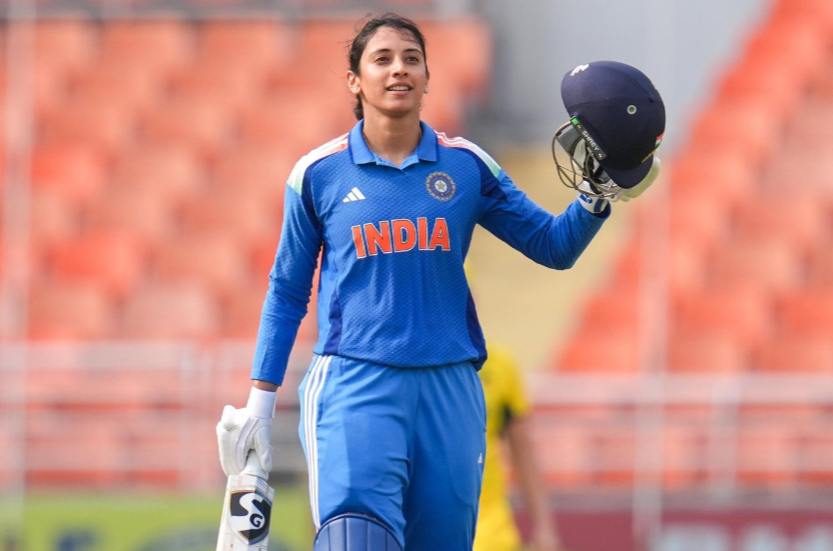
Smriti Mandhana did something that felt both historic and perfectly timed on December 28, 2025. India’s vice-captain became the fastest woman to score 10,000 international runs during the fourth T20I against Sri Lanka in Thiruvananthapuram. She needed just 27 runs going into the match. She played her natural game before she accomplished the milestone.
When she crossed the mark in the seventh over, it was not dramatic. It was calm, controlled, and confident. That moment took her only 281 innings, fewer than anyone before her. In the process, she went past Mithali Raj’s long-standing record of 291 innings. More than the record itself, it signalled how Mandhana has come to define this generation of women’s cricket.
What followed showed why Mandhana belongs in rare company. She did not ease off after reaching 10,000 runs. Instead, she opened her shoulders and played one of those innings that stays with fans. Her 80 off 48 balls came with clean timing, effortless power, and complete control. Along with Shafali Verma, she tore into the Sri Lankan bowling attack and built a 162-run opening stand, the highest ever in Women’s T20Is.
India finished with 221 for 2, a new high in the format. On the same night, Mandhana became India’s leading six-hitter in T20 internationals and registered her 32nd fifty-plus score in the format. None of it felt forced. It felt like the natural outcome of a batter who understands her game better than anyone else.
2. Mithali Raj
Before Mandhana, Mithali Raj was the name that defined consistency in women’s cricket. When she reached 10,000 international runs in March 2021 against South Africa in Lucknow, it felt like a reward for endurance. Her career stretched across 23 years, across generations of players and formats. She remains the highest run-scorer in women’s international cricket, and her contribution goes far beyond statistics. Mithali gave Indian women’s cricket credibility at a time when it desperately needed one steady figure to lean on.
ALSO READ: Lasith Malinga to Jasprit Bumrah: Five bowlers who have taken 100-plus wickets across formats
3. Charlotte Edwards
Charlotte Edwards was the first to show the world that 10,000 runs in women’s international cricket were possible. The former England captain crossed the mark in 2016, playing with classical technique and quiet authority. She carried England through different phases of the women’s game and retired with over 10,000 runs. Her record stood untouched, not because others lacked talent, but because sustaining that level was incredibly hard.
4. Suzie Bates
Suzie Bates joined the elite group in July 2024. She never played Test cricket, yet still reached 10,000 international runs across the othe two formats. New Zealand international adapted to shorter formats pretty well without losing consistency.