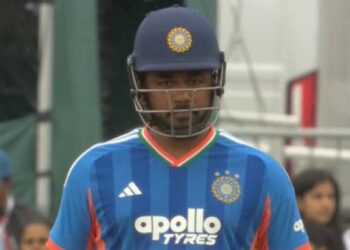
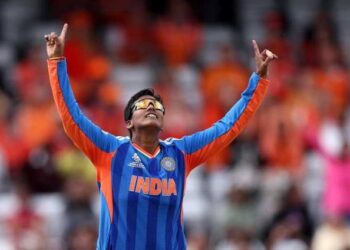
Cricket has a habit of holding on to certain moments longer than it should. Trophies lose their shine, numbers blur into databases, and leadership roles change quietly. But every now and then, a small, unscripted moment cuts through all of that and reminds you what the game truly values. Meanwhile, Rohit Sharma’s reaction when Jay Shah casually called him “India captain” was one such moment.
Technically, Rohit is no longer India’s captain. The team has moved on, plans have shifted, and a younger leadership group is being prepared with the 2027 ODI World Cup in mind. That change was expected. Indian cricket rarely stands still for too long. But when Jay Shah referred to Rohit as “captain” at a public event, it did not feel accidental. It felt honest.
Rohit Sharma reacts as Jay Shah addresses him as captain
What made the moment memorable was Rohit’s response. No awkward laugh. No attempt to correct the title. Just a soft smile and quiet acceptance. It was brief, almost unnoticeable, but it carried weight. That smile said more than words ever could. It reflected peace, respect, and the confidence of someone who knows his chapter does not need defending.
Captaincy does not disappear the day a new leader walks in. It sticks to players who delivered when the pressure was real and expectations were brutal. Rohit Sharma fits that description comfortably. He took over an Indian team scarred by repeated ICC disappointments and helped rebuild belief without panic. The 2024 T20 World Cup win was not just another title for the Men in Blue; it felt like emotional relief for a team and a fan base that had waited too long. The Champions Trophy victory in 2025 only reinforced that this group had finally learned how to cross the finish line.
WATCH: Rohit Sharma shares a heartwarming moment with a young Virat Kohli fan
Those successes were not accidental. Rohit’s leadership relied on calm thinking and clarity, not noise. He trusted players during rough patches. He absorbed criticism without turning defensive. He never tried to make leadership about personal authority. That style may not trend on social media, but it earns loyalty inside a dressing room. Over time, it earns respect outside it too.
There will always be voices saying Indian cricket must move forward without clinging to the past. That thinking makes sense when selecting teams or planning futures. But respect is not the same as attachment. Acknowledging Rohit’s leadership does not weaken the present setup. If anything, it strengthens it. Jay Shah’s words did not undermine the current captain. They recognized a leader who helped shape the environment this team now benefits from.
Equally important is how Rohit has handled life after captaincy. No emotional press conferences. No public disappointment. No attempt to stay relevant through noise. He accepted his role as a senior batter and quietly allowed younger voices to take charge. Insecure leaders struggle to let go. Secure ones step aside without drama.
ALSO WATCH: Rohit Sharma reacts to a fan’s ‘vada pav khaoge’ question during Vijay Hazare Trophy match
Indian cricket has not always managed transitions well. Past changes often came with tension, camps, and endless debates. It showed maturity from the system and dignity from the player. It suggested that Indian cricket is learning how to move ahead without erasing what came before.
Rohit Sharma may no longer wear the armband. He may not lead the toss or set the field. But leadership lives beyond titles. It shows in how teammates respond and how the system remembers you. Some captains are relevant only while they hold the job. Others remain captains long after they step away. Rohit Sharma clearly belongs to the second kind.