The ICC Men’s T20 World Cup 2026 has not even begun, yet it has already triggered one of the most uncomfortable debates. The Bangladesh Cricket Board (BCB) has taken a firm stand against playing its matches in India, openly challenging the International Cricket Council (ICC) and accusing it of applying double standards. What started as a venue concern has now turned into a serious governance issue that questions how global cricket decisions are actually made.
Bangladesh’s position is clear. The team wants to participate in the T20 World Cup, but it does not want to travel to India for its matches. The BCB has repeatedly stated that this stance comes from security concerns and logistical comfort, not from cricketing reasons. Despite multiple discussions, the ICC has rejected Bangladesh’s request to move their matches to Sri Lanka, which is also listed as a co-host for the tournament.
BCB accuses ICC of double standards in T20 World Cup venue dispute
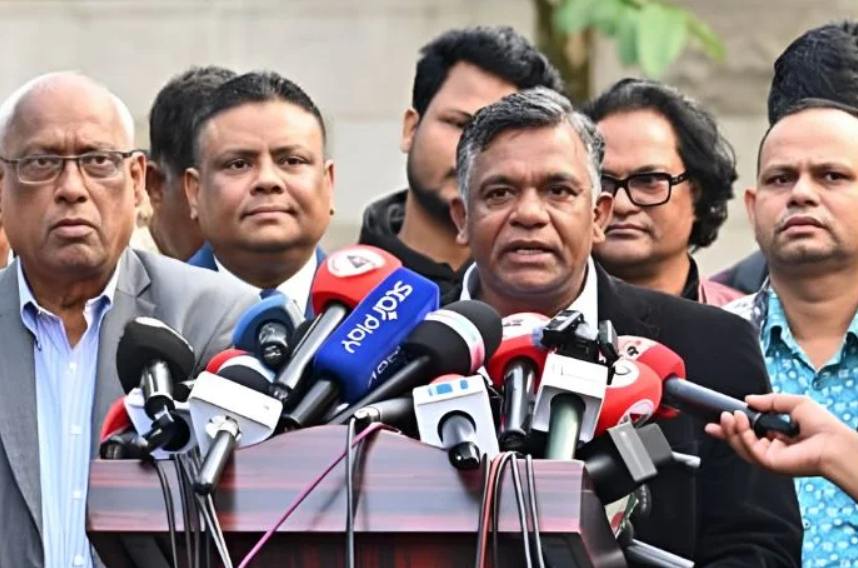
BCB President Aminul Islam has spoken openly about the issue and has not softened his words. He believes the ICC has failed to treat Bangladesh fairly when compared to other powerful cricket boards. According to him, the governing body has shown flexibility when it suited influential nations but has refused to extend the same courtesy to Bangladesh.
He said:
“The ICC tried to tell us about incidents in 1996 and 2003 but we pointed out their recent steps in a similar matter. When a country refused to travel to another country for the Champions Trophy last February, the ICC organized a neutral venue for them. The team played all their Champions Trophy matches in that neutral venue. They played in one ground, staying in one hotel. It was a privilege.”
This quote forms the backbone of Bangladesh’s argument. Aminul directly referred to India’s refusal to travel to Pakistan for the Champions Trophy 2025. In that case, the ICC arranged a neutral venue and allowed India to play all its matches at one location. The ICC justified that decision using security concerns. Bangladesh now asks a simple question: if one team can avoid travel due to safety issues, why can’t another?
The BCB believes Sri Lanka provides a logical solution. Sri Lanka already shares hosting responsibilities for the T20 World Cup under a hybrid model. Bangladesh requested the ICC to either reshuffle groups or relocate its matches entirely to Sri Lanka. However, the ICC dismissed that option and insisted that the tournament schedule would remain unchanged.
ALSO READ: Will Chinnaswamy host IPL 2026 games? KSCA issues important clarification
Aminul Islam made Bangladesh’s position even clearer when he explained that the board does not want partial solutions. He emphasized that Bangladesh does not want to play in India at all, regardless of reassurances or security reports.
He said: “We don’t want to play in India.” That short statement reflects the firmness of Bangladesh’s stance. The board does not want last-minute compromises or symbolic gestures. It wants a clear relocation of venues, similar to what other teams have received in the past.
The ICC has taken a firm stand on the issue. It has said that security agencies cleared all Indian venues and found no serious risks. The council has also argued that shifting matches at this stage would disrupt scheduling, broadcasting plans, and the overall structure of the tournament. Because of this, the ICC asked Bangladesh to confirm its participation within a short deadline or face possible exclusion.
This decision has only added fuel to the debate. Reports suggest Scotland could replace Bangladesh if the standoff continues. The ICC Men’s 2026 T20 World Cup will go all guns blazing on February 7. Pakistan will take on the Netherlands in the tournament opener at Sinhalese Sports Club Cricket Ground, Sri Lanka.