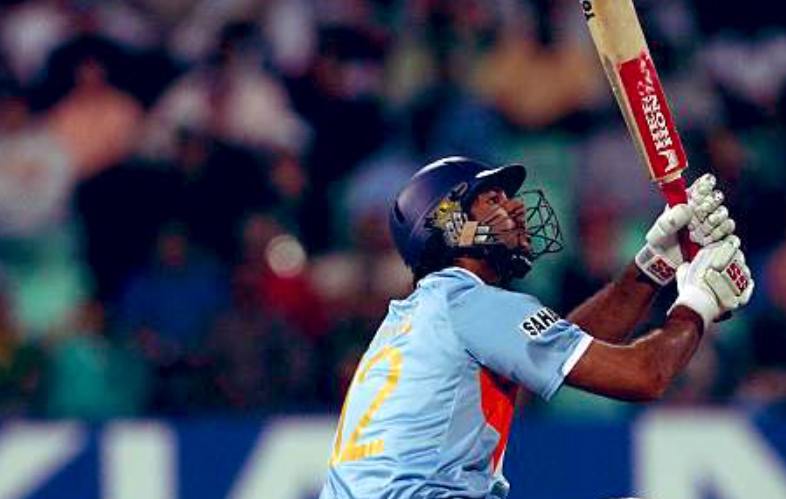
T20 cricket does not wait anymore. The format has no patience for batters who want to take time. From the first ball itself, teams expect impact. A quiet first over now feels like a missed opportunity. In today’s game, momentum matters more than safety, and batters know it.
Earlier, players spoke about “settling in.” That phrase has almost disappeared. Now the message is simple: score quickly or lose control of the match. The field spreads early, bowlers change plans fast, and captains hunt wickets instead of defending totals. In this chaos, intent has become the most important skill in T20 cricket.
Batting roles have changed completely. Openers no longer play the anchor’s role. They attack to disrupt bowling plans. Middle-order batters walk in prepared to hit straight away. There is no luxury of time. While six-hitting looks easy on social media clips, scoring a half-century at extreme speed is still one of the hardest jobs in international cricket.
Doing it against Full Member teams makes it even tougher. These sides don’t panic. Their bowlers adjust quickly. They mix lengths, hide slower balls, and change fields within minutes. Once a batter shows intent, the challenge becomes survival. Maintaining a strike rate above 300 while staying in control separates special players from reckless ones.
A very fast T20I fifty needs more than power. The batsman needs to be absolutely good in timing and decision-making. The batter must know which ball to attack and which one to respect. One mistake can end everything. That is why only a few innings truly stand out in this category.
1. Yuvraj Singh – 12 balls vs England
Yuvraj Singh’s innings did more than break records. It changed mindsets. Before that night, few believed a batter could dominate world-class bowlers so completely. Yuvraj Singh didn’t hesitate. He trusted his swing and went all in. In the process, he became the first batter to hit six sixes in an over. He took on Stuart Broad’s bowling with relative ease.
What made the knock unforgettable was his confidence. He didn’t look rushed or desperate. He knew exactly where he wanted to hit. Every shot came with conviction. That clarity turned risk into history and inspired a generation of T20 batters.
2. Abhishek Sharma – 14 balls vs New Zealand
Abhishek Sharma belongs to a new era. He plays fearless cricket, but he also plays smart cricket. His fast fifty against New Zealand came from clean hitting and sharp awareness.
He picked his bowlers carefully. He read the pace early. He trusted his strengths instead of forcing shots, and that balance helped him dominate a strong attack without throwing away his wicket. His innings showed how modern T20 batting blends aggression with control.
ALSO READ: BCB chief hits out at ICC for ‘double standards’ over T20 World Cup venue controversy
3. Colin Munro – 14 balls vs Sri Lanka
Colin Munro never believes in half-measures. Once he decides to attack, he commits fully. He scored a quick-fire fifty against Sri Lanka because of his decisiveness to break bowling plans.
He targeted the leg side, cleared big boundaries, and forced bowlers to change lengths quickly. The pressure kept building, and the bowlers had no breathing space. Munro proved that confidence alone can tilt a T20 game within minutes.
4. Quinton de Kock – 15 balls vs West Indies
Quinton de Kock’s innings stood out for a different reason. He didn’t rely only on brute strength. He relied on timing and placement. He punished loose balls instantly and rotated strike when needed. He never allowed the bowlers to settle. His knock proved that fast fifties don’t always need muscle. Precision and awareness can be just as dangerous.
5. Jan Frylinck – 13 balls vs Zimbabwe
Jan Frylinck’s knock delivered a strong message. Reputation doesn’t decide T20 success. Intent does. Against a full member opponent, he played with freedom and belief. He backed his shots and stayed committed to the plan. His innings reflected how global T20 cricket has become.