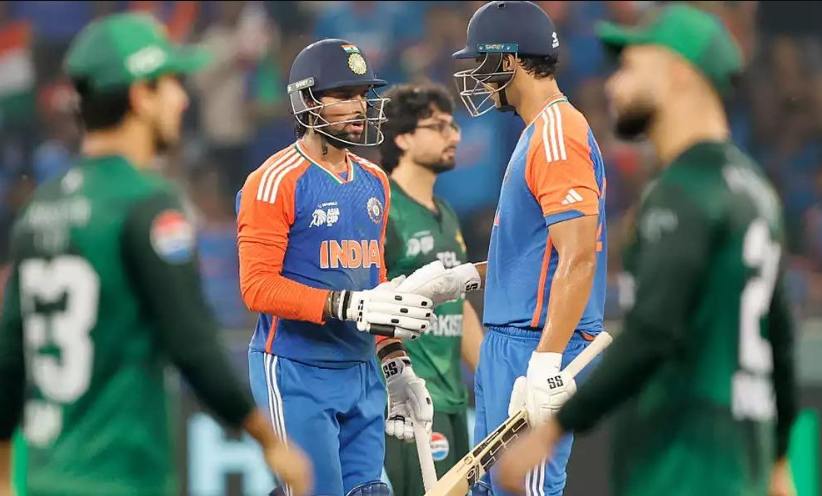
Pakistan has confirmed that it will take part in the ICC Men’s T20 World Cup 2026. At the same time, it has made it clear that it will not play its scheduled group match against India on February 15 in Colombo.
The announcement does not remove Pakistan from the tournament, but it does remove one of the most anticipated fixtures from the schedule, and that alone explains why the decision has drawn attention.
Pakistan Announces Decision Not to Play India in T20 World Cup
The confirmation came after discussions at the highest level. Pakistan Prime Minister Shehbaz Sharif met with Pakistan Cricket Board chairman Mohsin Naqvi before the government released its official position. The message was shared publicly and left little room for interpretation. It stated:
“The Government of the Islamic Republic of Pakistan grants approval to the Pakistan Cricket Team to participate in the ICC World T20 2026; however, the Pakistan Cricket Team shall not take the field in the match scheduled on 15th February 2026 against India.”
The wording was firm but restrained. It did not attack the tournament, the ICC, or the Indian team. It simply drew a line around one match. That choice alone says much about how cricket between India and Pakistan continues to exist in a complicated space, shaped by factors that go far beyond sport.
ALSO READ: Ravichandran Ashwin Hints at MS Dhoni’s New Batting Role for CSK in IPL 2026
India and Pakistan do not play bilateral cricket anymore. That reality has been in place for more than a decade. Their encounters have been limited to ICC events and multi-nation tournaments, often at neutral venues. Against that backdrop, Pakistan’s decision feels less like a sudden disruption and more like a continuation of an already fragile arrangement.
What makes this situation different is that Pakistan has chosen participation with conditions, rather than a full withdrawal. In previous moments of disagreement, boards have either played or stayed away entirely. This time, Pakistan has opted to remain part of the competition while stepping away from one specific fixture. It is a middle path, and one that reflects an attempt to balance national considerations with cricketing involvement.
From the tournament’s point of view, the absence of an India–Pakistan match is significant. This fixture traditionally draws one of the largest global audiences in cricket. Fans plan around it, broadcasters highlight it, and tournaments often build early momentum around it. Its removal changes the rhythm of the group stage, even though the competition itself remains intact.
There are also sporting implications. ICC tournaments operate on clear rules, and a team that does not take the field for a scheduled match risks forfeiting points. In a short group stage, every match carries weight. Group A includes teams that have shown the ability to compete and surprise. One uncontested result can influence qualification scenarios and net run rate calculations, even if it does not decide them outright.
READ MORE: BCB chief hits out at ICC for ‘double standards’ over T20 World Cup venue controversy
The ICC, meanwhile, once again finds itself managing a situation where sporting schedules meet political realities. This is not new territory for international cricket. The game has often adapted, adjusted venues, and reshaped formats to ensure tournaments move forward. While such decisions are never ideal, administrators have learned to operate within these limits.
What stands out most is that Pakistan has not closed the door on international cricket. It has chosen to participate, to compete, and to remain part of the global event. The decision does not signal isolation, but caution. It does not reject the tournament, but it does underline the limits within which cricket operates in the region.