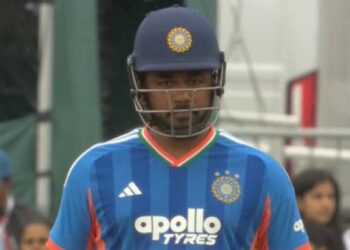
Former Indian skipper Sunil Gavaskar sparked a major debate around IPL broadcasting standards when he defended Rishabh Pant over his recent on-air slip moment. This controversy is about far more than just one emotional slip during a live interview.
Are broadcasters pushing players into uncomfortable situations immediately after heartbreaking defeats just for dramatic television? Pant’s outburst happened after the Lucknow Super Giants suffered a painful loss to the Rajasthan Royals. It was a defeat that effectively crushed their playoff hopes.
The frustrated skipper accidentally used explicit language on live television while trying to explain the team’s struggles during the post-match interview. The clip instantly went viral across social media and divided cricket fans.
However, Gavaskar did not focus only on Pant’s mistake. Instead, he questioned the entire process behind these instant interviews. According to him, players – especially captains are emotionally drained moments after a loss. They are exhausted physically, mentally frustrated, and still processing what just happened in the game.
Sunil Gavaskar questions IPL coverage after Rishabh Pant‘s live TV controversy
Modern cricket coverage has become extremely fast-paced. Cameras follow players everywhere. Microphones are pushed toward captains seconds after the final ball. Broadcasters want raw emotions because emotional reactions create clips, engagement, and social media attention. But cricket players are human beings first.
A captain like Pant is not just batting. He is also leading strategies, handling pressure, making bowling changes, speaking with teammates, and in his case, even wicketkeeping for 40 overs in extreme heat. After all that, expecting perfectly polished answers within two minutes of defeat feels unrealistic.
Gavaskar reportedly suggested that broadcasters should first conduct the “Player of the Match” presentation or give losing captains a few extra minutes before interviews. Even something as simple as allowing players to calm down, drink water, and regain composure could avoid awkward moments like this.
“Rishabh Pant dropping the ‘F’ word in his post-game interview does make one wonder whether it is necessary to interview the captain whose team has just lost the game barely minutes earlier. If it’s been a last-over finish, then the disappointment for the captain would be even greater and if he is also the wicketkeeper who has been running up and down to the stumps every other delivery and that too in this heat, then it can add to his frustration,” Gavaskar wrote in Mid-day.
This is not the first time IPL broadcasting has come under criticism either.
Fans and former cricketers have regularly complained about excessive advertisements, long strategic timeouts, and constant attempts to manufacture emotional television moments over the years.
Even Gavaskar himself has previously criticized how strategic timeouts disrupt the rhythm of matches and stretch games unnecessarily.
The pressure surrounding IPL coverage today is massive because the tournament itself has become one of the biggest sports entertainment products in the world. Broadcast rights involve enormous money, and television networks constantly compete for attention.
READ MORE: Manish Pandey to Suresh Raina: Five greatest knocks in IPL Playoffs
What makes this incident interesting is that many fans who initially criticized Pant later began agreeing with Gavaskar’s viewpoint. Emotional reactions after losses are natural in sports. Football managers lose their temper. Tennis players smash racquets. NBA stars sometimes walk away from interviews entirely. Cricket players are expected to remain perfectly controlled despite carrying similar pressure.
Pant himself has always been known as an expressive and emotional cricketer. That passion is also one of the reasons fans connect with him so strongly. One accidental word in a tense moment should probably not define the entire discussion.
At the same time, broadcasters also have responsibilities because live television reaches millions of viewers, including children. That balance between authenticity and professionalism is becoming increasingly difficult in modern sports coverage.
This controversy may eventually fade away in a few days. But Gavaskar’s comments have reopened an important discussion about how much pressure modern athletes face even after the game is over. Sometimes players do not need microphones immediately after defeat. Sometimes they simply need a few quiet minutes.