The IPL has seen many legends over the years. However, very few players have stayed at the top for as long as batting surgeon Virat Kohli. Every season brings new stars, new power-hitters, and new trends in T20 cricket, yet Kohli somehow keeps finding a way to remain relevant in the cricketing business.
That is what makes his latest achievement feel special. During Indian Premier League 2026, Kohli officially went past MS Dhoni to become the highest-capped player in IPL history. The moment the toss happened in the match between Royal Challengers Bengaluru and Kolkata Knight Riders, the record became his. It was his 279th IPL appearance.
This record says a lot more than just “most matches played.” It talks about fitness. It talks about consistency. It talks about surviving pressure for nearly two decades in the most demanding T20 league in the world. Most players lose form, lose motivation, or simply fade away after a few years. Kohli kept going.
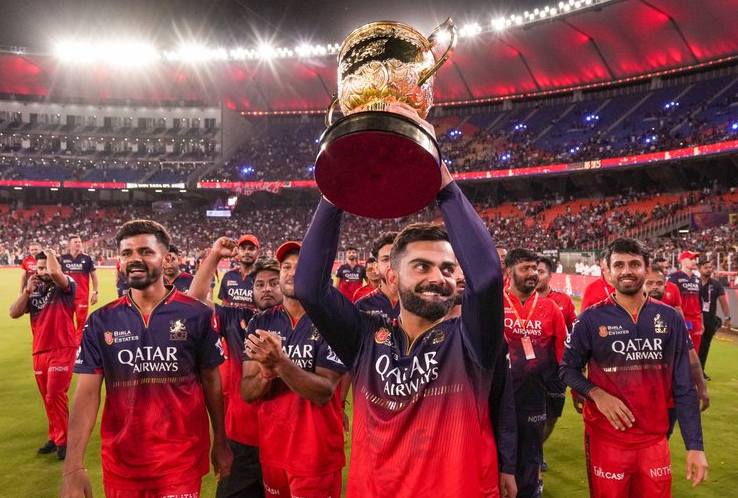
And he did it while carrying the expectations of one franchise for almost his entire career. That is why his IPL journey feels different. Kohli stayed loyal to RCB from the very beginning. Fans have watched him grow from an emotional young batter into one of cricket’s biggest icons. They have seen the highs, the heartbreaks, near misses, and finally the long-awaited IPL glory in 2025. The emotional connection between Kohli and RCB supporters now feels bigger than just cricket.
Virat Kohli Rewrites IPL History Books Yet Again
But the night became even more memorable because Kohli achieved another massive milestone. He became the first Indian batter to score 14,000 runs in T20 cricket and joined an elite list that includes Chris Gayle. He also became the fastest player to reach the landmark, going past Gayle’s previous record.
That achievement deserves huge respect because Kohli’s T20 greatness was built differently. Gayle changed T20 cricket with brutal power. He made bowlers look helpless and turned six-hitting into entertainment. Kohli, meanwhile, mastered the format through control, fitness, timing, and unbelievable consistency. He proved that T20 batting is not only about swinging hard from ball one.
READ MORE: 822 Runs in 50 Overs: Scorpions Cricket Club Produce Video Game-Like Scorecard
That balance is why Kohli remained dangerous across different eras of T20 cricket. People sometimes forget how much the format has changed since 2008. Earlier, 160 was considered a strong total. Batters took time before attacking. Anchors had a major role. Today, teams score 220 regularly, and strike-rate debates dominate social media every week.
Still, Kohli adapted and went about his business. That is probably the biggest reason behind his longevity. He never allowed himself to become outdated. Over the last few seasons, fans have seen him attack more freely, take more risks in the powerplay, and maintain a strike-rate that fits modern T20 cricket. Even critics who once questioned his approach have slowly gone quiet.
And honestly, pressure situations still suit Kohli better than most players. When the chase gets difficult or wickets fall early, teams still trust Kohli because he understands tempo better than almost anyone else. His game awareness remains elite. Younger players may hit bigger sixes, but very few can control a tense run chase the way Kohli does.
That experience matters. His unbeaten century against KKR was another reminder that he is still far from finished. Kohli scored 105 not out from just 60 balls, smashing 11 fours and three sixes while guiding RCB to victory. This was his ninth century, which is more than any other player in IPL history.
Former players and fans continue to debate where he stands among the all-time T20 greats, but records like these make the argument stronger every season. You do not accidentally score 14,000 T20 runs. You do not accidentally stay at the top of the IPL appearance charts.